
When the Season Changes, We Change Too

Why fall is a meaningful time for an Ayurvedic cleanse
By late September in Vermont, the change is unmistakable.
The mornings are cooler. The garden is beginning to let go. The days still hold warmth, but evening arrives earlier, and many of us find ourselves craving soup, socks, quieter evenings, and a little less motion.
At Setu Vermont, we often notice that guests arrive at this time of year carrying the residue of a full summer: travel, entertaining, long days, irregular meals, more social time, more activity, and the subtle feeling of having outrun their own rhythm.
A fall Ayurvedic cleanse is not a punishment for having enjoyed summer. It is a way of meeting the next season with care.
At Setu Vermont, we approach an Ayurvedic fall cleanse as a seasonal practice of preparation, nourishment, release, and rejuvenation.
It is a chance to simplify food, create more space around the day, return to practices that help the body settle, and remember what it feels like to be nourished by warmth, rest, nature, and routine.
Why cleanse in fall?
In Ayurveda, each season brings a different set of qualities.
Fall tends to be cooler, drier, lighter, and more changeable. In the body and mind, those same qualities may show up as irregular digestion, restlessness, dryness, disrupted sleep, scattered attention, or a sense that it is harder to land.
You may notice that you are skipping meals and then feeling ravenous later. Perhaps your sleep has become lighter, your skin feels dry, or the pace of work and family life has begun to feel more demanding than it did only a few weeks ago.
A seasonal cleanse is an opportunity to pause before these patterns become more established.
It is not about stripping the body down or asking it to do more. It is about creating steadiness before the pace of fall carries us away: warm meals instead of rushed eating, self-massage instead of powering through tension, earlier nights instead of one more hour online, and fewer inputs so we can better hear what we need.
For some people, this is a time to release excess heat and stimulation from summer. For others, it is simply a moment to come back to a rhythm that feels possible and kind.
Important note: This article shares traditional Ayurvedic wellness education. It is not medical advice and is not intended to diagnose, treat, cure, or prevent any condition. Cleanse practices, herbs, heat therapies, and dietary changes are not appropriate for everyone. Consult a qualified healthcare professional regarding medical conditions, medications, pregnancy, or persistent symptoms.
Setu’s 14-Day Ayurvedic Cleanse Journey
The description below explains the general structure of Sētu’s program. It is not a do-it-yourself cleanse protocol. Individual participation, recommendations, herbs, foods, oils, and cleansing practices are determined only after screening and consultation.
A meaningful Ayurvedic cleanse does not begin with elimination. It begins with preparation.
Our 14-day Ayurvedic fall cleanse follows a gradual rhythm: first we prepare the digestive system and daily routine, then we nourish and soften, then we simplify and release, and finally we rest, receive, and integrate.
Each participant begins with an intake process. Your food guidance, herbs, oils, and any deeper cleansing recommendations are tailored to your constitution, current state of health, digestive capacity, medications, and goals for the program.
Before Your Cleanse Begins
Ayurvedic Consultation & Personalized Plan
Before the 14-day journey begins, you will meet one-on-one with an Ayurvedic practitioner to create a cleanse plan that is appropriate for your unique constitution, current state, digestive capacity, health history, medications, lifestyle, and goals.
This consultation helps us determine the most supportive approach for your experience—including whether internal oleation and virechana are appropriate, what type of food and herbal support may be recommended, and how to prepare your home, schedule, and support system.
Together, we will create your individualized plan, which may include:
A review of your Ayurvedic constitution and current imbalances
Food and meal guidance for the preparation, cleanse, and recovery phases
Personalized digestive herbs, oils, teas, or other supports where appropriate
Guidance for internal oleation and external self-abhyanga
Screening for eligibility, contraindications, and any needed modifications
Planning for your virechana day, recovery days, travel, and on-site retreat experience
Space to share your intentions for the cleanse and the season ahead
This is not a one-size-fits-all cleanse. Your consultation ensures that your 14-day journey is approached with care, attention, and respect for where you are beginning.
Phase One: Prepare
Dipana–Pacana | Day 1-3
The cleanse begins with dipana–pacana, the Ayurvedic process of kindling digestive capacity and supporting the body’s ability to process what may feel heavy, stagnant, or unfinished.
During these first days, you will begin simplifying food, establishing more regular meal times, and reducing the inputs that can overwhelm the system: highly processed foods, alcohol, excess caffeine, late nights, constant multitasking, and an overfull calendar.
Your preparation guidance may include:
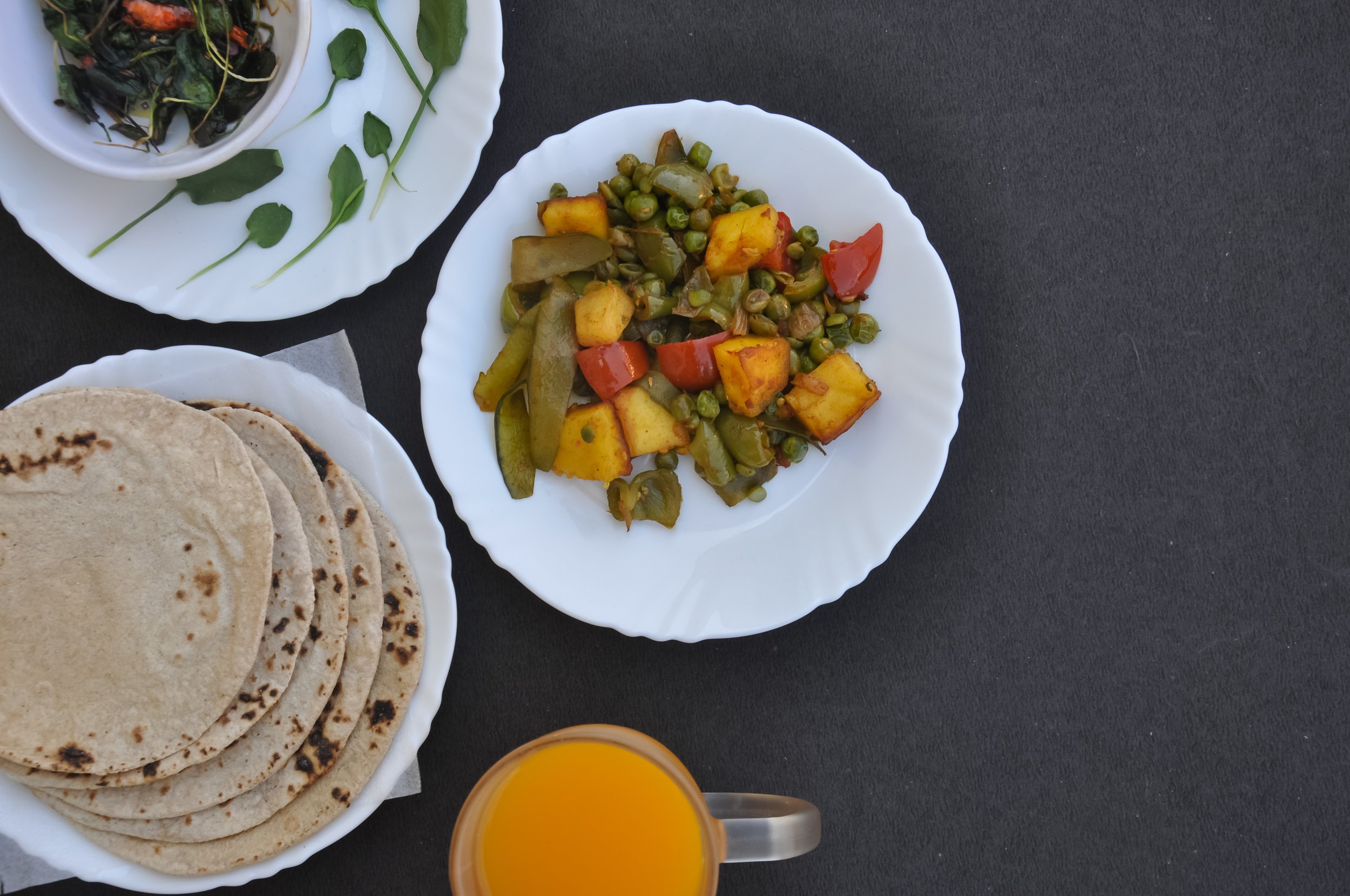
A simple seasonal meal plan with warm, freshly prepared foods
Personalized digestive herbs or spices, when appropriate
Warm water and herbal-tea guidance
Daily tongue scraping and morning routine support
Guidance for reducing caffeine, sugar, alcohol, and other common aggravators
Gentle movement, breathwork, and earlier sleep
This phase is not only about food. It is about making room.
Phase Two: Soften & Nourish
Abhyantara Snehapana | Day 4-6
Next, we move into abhyantara snehapana, or internal oleation.
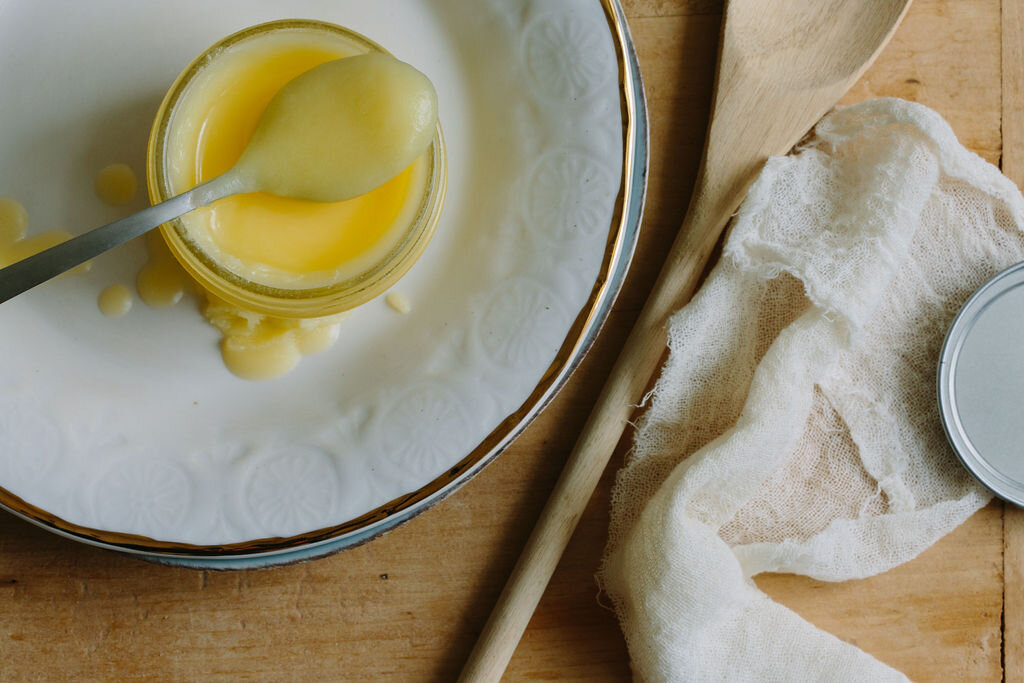
For eligible participants, this phase includes an individualized ghee or medicated-ghee protocol designed to nourish, soften, and prepare the system for the main cleansing process. This is one of the central preparatory practices in a virechana-based Ayurvedic cleanse.
During this phase, you may receive:
An individualized ghee or medicated-ghee protocol, when appropriate
Guidance around timing, amount, appetite, and digestion
Warm, simple meals that support the oleation process
Daily check-ins around sleep, energy, digestion, and signs of proper oleation
Personalized herbs or teas as indicated
Support for reducing physical and mental exertion
Internal oleation is never one-size-fits-all. Your plan is adjusted according to your intake process and your body’s response.
Phase Three: External Oleation & Sudation
Bahya Snehana + Svedana | Day 7
The day before the main cleanse is devoted to final preparation through bahya snehana and svedana.
Bāhya snehana is external oleation with warm oil. Svedana is gentle sweating or heat therapy. Together, these practices help the body soften, settle, and prepare for release.
Your preparation day may include:
Guided self-abhyanga or an individualized warm-oil practice
A warm bath, steam, sauna, or other gentle heat support as appropriate
Light, warm, easy-to-digest meals
Hydration and herbal-tea guidance
Gentle movement, breathwork, or quiet time outdoors
A quiet schedule, reduced stimulation, and early rest
Final instructions for your individualized cleansing day

Phase Four: Main Cleansing Day
Virechana Karma | Day 8
Virechana is the central cleansing procedure of this program. Your protocol is individualized and designed to be appropriate to your preparation, constitution, digestive capacity, and current state of health.
For participants who complete screening and are determined to be appropriate candidates, this day includes individualized, practitioner-guided purgation support. The day is intentionally protected for rest, warm fluids, simple recovery care, and direct guidance.
This is a day to remain at home, clear your schedule, and allow the body to do its work.
Not every participant will receive the same protocol, and virechana is not appropriate for every person. Your eligibility and individual plan are determined through the intake and consultation process.
Phase Five: At-Home Recovery
Samsarjana Krama Days 9–10
Following virechana, the body needs time to rebuild digestive strength gently.
This recovery period is called samsarjana krama—a gradual, intentional progression back toward nourishment. These days are an essential part of the cleanse, not an afterthought.
You will receive a step-by-step food-reintroduction plan that may include thin soups or rice gruels, then thicker soups, kitchari, cooked vegetables, and other simple warm meals as appetite returns.
During recovery, you will be guided in:
A gradual post-virechana food progression
Hydration and herbal-tea support
Rest and reduced obligations
Gentle movement only as energy returns
Daily guidance around appetite, elimination, energy, and sleep
Preparing for gentle travel and arrival at Setu Vermont

Phase Six: The On-Site Retreat
Post-Cleanse Restoration & Rasayana Preparation Days 11–14
After the active cleanse and home recovery, we gather at Setu Vermont for four days of post-cleanse nourishment, Ayurvedic therapies, rest, and integration.
This is not a time to do more cleansing. It is a time to receive, rebuild, and learn how to carry the rhythm of the experience into fall.
Spend four early-fall days held by the land, nourishing food, therapeutic care, and the rhythm of a small group moving through this experience together.
Your retreat experience includes:
Four days and three nights at Setu Vermont
Seasonal Ayurvedic meals and herbal teas appropriate for post-cleanse rebuilding
One individualized Ayurvedic body treatment daily on three retreat days
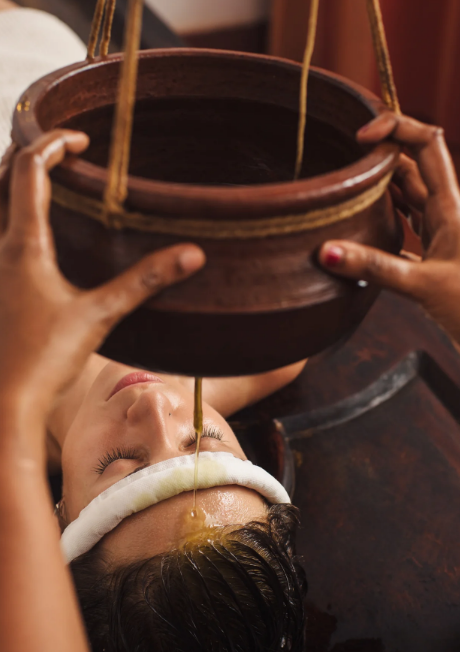
Treatments selected according to your needs, which may include gentle abhyanga, shirodhara, svedana, or other restorative care
Daily gentle yoga, meditation, pranayama, or embodied practice
Ayurvedic education for fall digestion, routine, self-abhyanga, and home care
Time in nature, rest, journaling, and unstructured integration space
Small-group connection and a closing-circle ritual
A personalized post-retreat rasāyana and integration guide
One group follow-up call after the retreat
Following the retreat, participants continue with a seven-day at-home rasayana plan designed to gradually rebuild strength, stabilize digestion, and carry the rhythm of the cleanse into fall.
Ready to Enter Fall Feeling More Grounded?
Our 2026 Fall Ayurvedic Seasonal Cleanse begins October 26, with a four-day post-cleanse retreat held at Sētu Vermont in Brattleboro, Vermont, from November 5–November 8, 2026
Limited to eight guests to ensure individualized preparation, care, and treatment planning.
A gentle reminder
Cleansing is not appropriate for every person or every season of life.
Virechana is offered only when it is appropriate after individualized screening and consultation.
Pregnancy, breastfeeding, acute illness, recent surgery, certain medications, significant medical conditions, and eating-disorder history may require a modified approach—or may mean that a restorative retreat is more appropriate than a cleanse.
At Setu, each participant completes an intake process before enrolling. We believe that the right care begins with listening, and that a cleanse should always support—not overwhelm—the person receiving it.